
2025 has been a landmark year for wearable human exoskeletons: devices that were once confined to labs, clinics, and niche industrial trials are increasingly crossing into mainstream use. As we look toward 2026, wearable exoskeleton technology is poised not just to grow, but to evolve into something profoundly integrated into how we work, rehabilitate, and even live. At The Exoskeleton Store, we’re excited by the pace of innovation and the widening spectrum of use-cases that are starting to define 2026 and beyond.
In this blog, we’ll explore where wearable exoskeletons are today, where they are heading in the next year, and why that matters to businesses, clinicians, workers, and everyday people alike.
1. The Rapid Growth of the Wearable Exoskeleton Market
From a market standpoint, wearable exoskeletons are entering a phase of accelerated growth and mainstream investment.
Multiple industry forecasts project robust expansion in the coming years. The global wearable robotic exoskeleton market is experiencing strong growth in the medical, industrial, and defense sectors, driven by demand for both assistive and performance-enhancing systems. Some estimates suggest extensive compound annual growth rates (CAGR) into the late 2020s, fueled by advances in AI, sensor integration, and battery tech that make exoskeletons lighter, smarter, and more user-friendly. GlobeNewswire+1
While different market research firms vary in their exact projections, all point to a significantly expanding wearable exoskeleton ecosystem in the coming years:
-
Wearable robotic exoskeletons are expected to comprise a multi-billion dollar industry, with strong adoption in 2026 and beyond. GlobeNewswire
-
Growth in medical rehabilitation, industrial safety, and defense applications is a major driver. Fortune Business Insights
-
Technologies like AI-driven adaptive motion control and advanced sensor systems are amplifying the usefulness and usability of exoskeletons. Fortune Business Insights
This expanding market reflects a broader shift: exoskeletons are no longer futuristic prototypes, they’re economically and technologically viable tools that companies and clinicians are planning for, investing in, and deploying.

2. Everyday Use in Healthcare and Rehabilitation
In 2026, wearable exoskeletons are becoming foundational tools in healthcare, particularly in rehabilitation and mobility support.
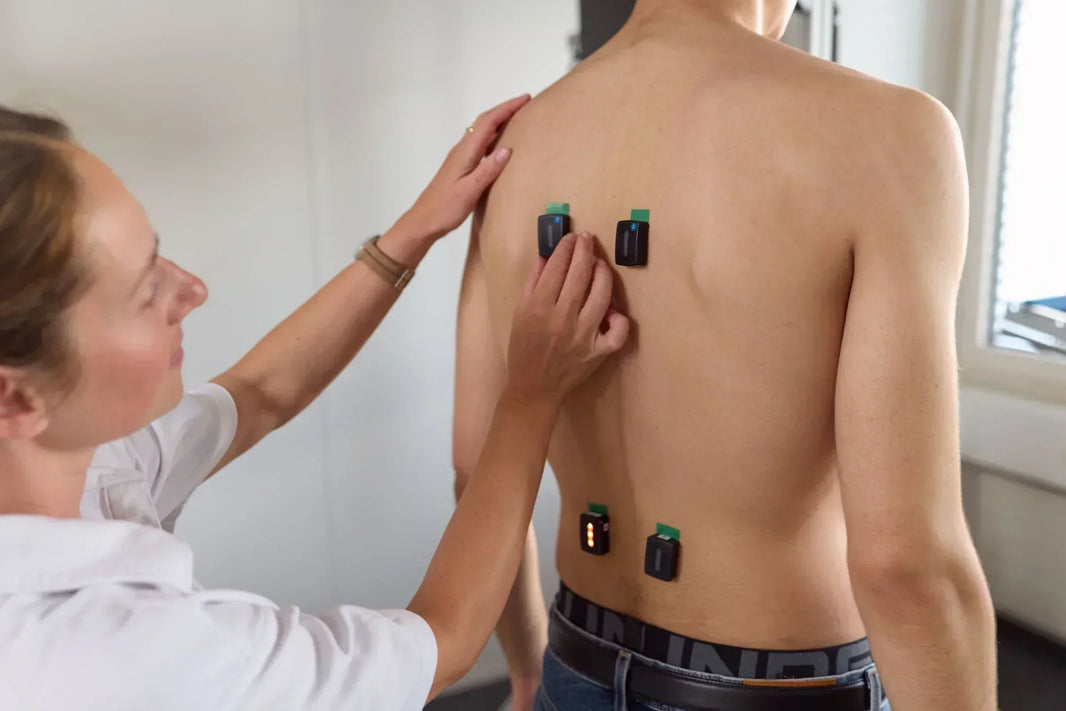
For decades, exoskeletons have helped patients with spinal cord injuries, stroke recovery, or severe motor impairments make incremental progress in labs and clinical settings. Today, more sophisticated, wearable systems are entering medical centers and rehabilitation facilities worldwide. These devices assist with gait training, strength rebuilding, balance control, and mobility re-education for individuals facing everything from acute injury recovery to chronic degenerative conditions.
Why this matters: the global population is aging rapidly, increasing demand for mobility support and rehabilitation technology. Exoskeletons can help people walk, stand, and regain functionality with biofeedback-driven assistance calibrated to their capabilities. The trend toward more personalized, adaptive exoskeleton therapy, powered by integrated sensors and AI, is elevating outcomes in physical therapy and rehabilitation. GlobeNewswire
In practical terms:
-
Medical providers are adopting exoskeletons for routine clinical use.
-
Patients are experiencing more effective therapy with devices that guide muscle relearning.
-
Healthcare systems are investing in wearable exoskeletons to reduce long-term disability and improve patient independence.

3. Industrial and Workplace Integration
One of the most transformative trends heading into 2026 is the adoption of wearable exoskeletons in industrial environments.
Large manufacturing, logistics, and construction employers are increasingly deploying exoskeletons not as experimental tools but as standard worker support systems:
-
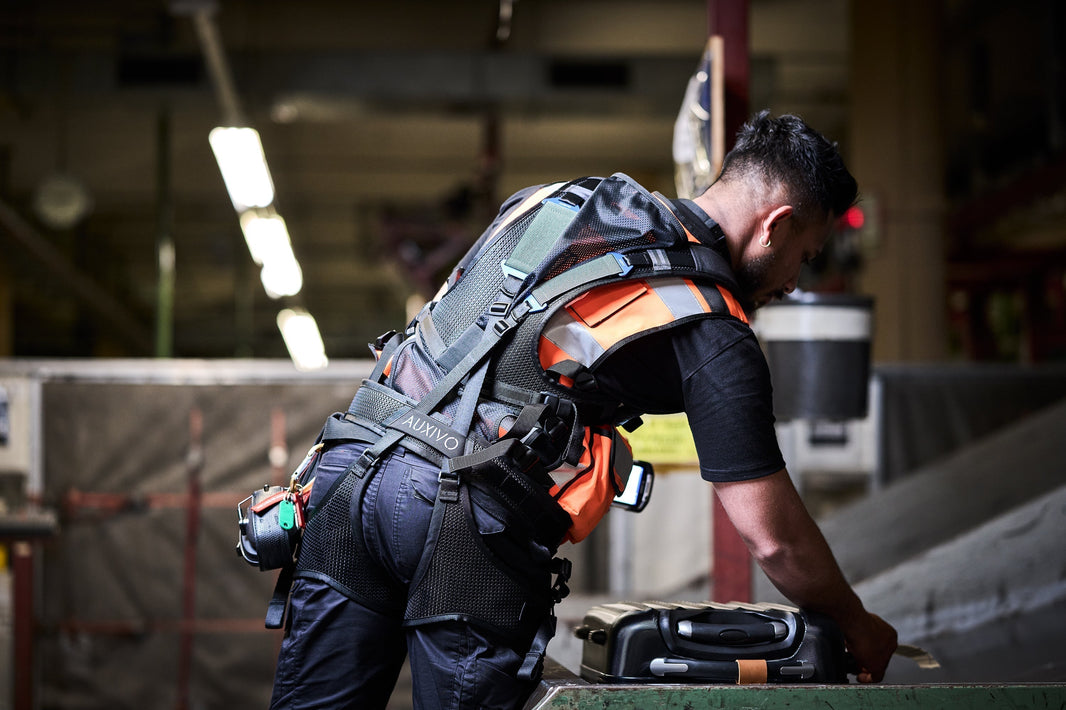
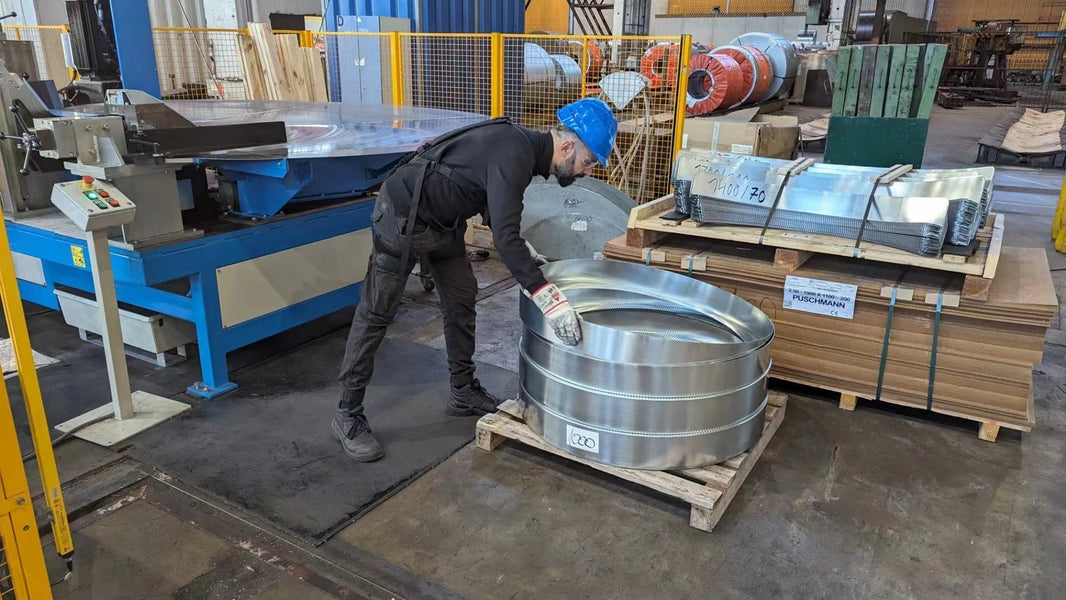
Exoskeletons reduce fatigue and strain in repetitive tasks like lifting, bending, and overhead work.
-
Many companies report measurable decreases in work-related musculoskeletal injuries after introducing supportive wearables. Future Market Insights
-
Industrial soft exosuits, which are lighter and more flexible than traditional rigid frames, are gaining traction because workers can wear them throughout long shifts with minimal discomfort. Global Growth Insights
Rather than replacing workers, exoskeletons are being used to augment human capability, helping teams do their jobs more safely and efficiently. For example:
-
Logistics workers can lift and carry heavier loads with less risk of injury.
-
Assembly line workers experience reduced strain during repetitive tasks.
-
Construction crews are supported in overhead drilling, drywall lifting, and other physically demanding work.
By 2026, these applications are expected to expand significantly, with employers increasingly viewing exoskeletons not as an optional experiment, but as standard personal protective equipment (PPE) for physically demanding occupations.

4. Defense and Specialized Use
Another exciting frontier is the integration of wearable exoskeletons in defense and specialized operations.
Military programs around the world have been investing in exoskeleton technologies not just for augmenting strength, but for enhancing endurance and mobility on the battlefield. These systems help soldiers carry heavier loads for longer periods, reducing fatigue and expanding operational capability. GlobeNewswire
In 2026, we expect to see continued investment in exoskeleton systems that are:
-
Lightweight yet powerful enough to provide load-bearing support.
-
Adaptable to varying terrains and mission profiles.
-
Enhanced with intelligent automation and real-time responsiveness.
This defensive evolution complements industrial adoption, because defense requirements often accelerate technological advancements that later filter down to civilian and commercial markets.

5. Consumer and Everyday Mobility Applications
Maybe the most exciting shift toward 2026 is how wearable exoskeletons are becoming accessible beyond clinical and industrial settings, edging into everyday life.
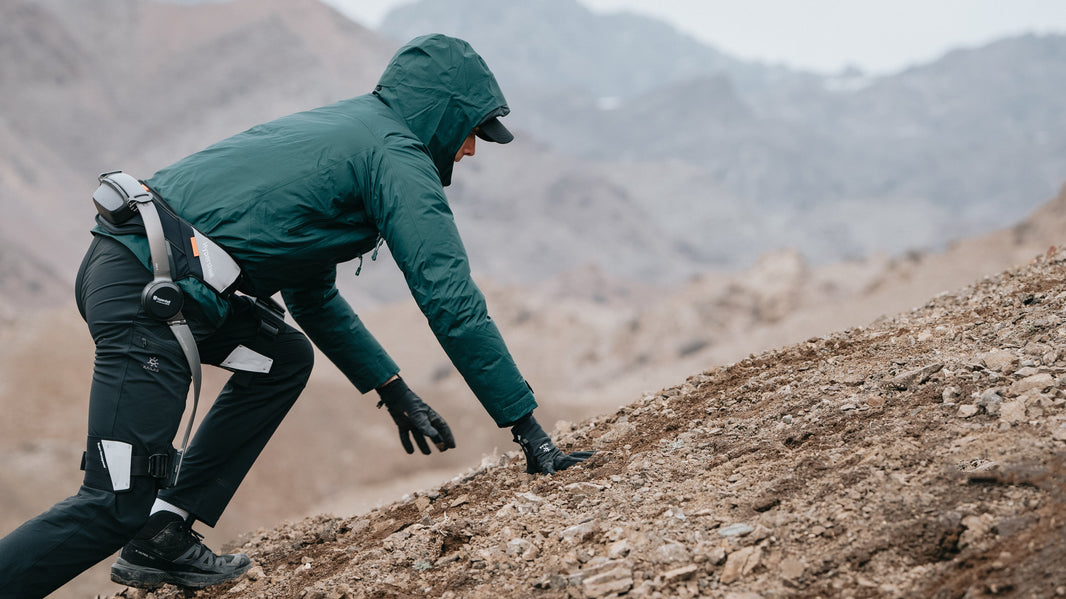
You may have already seen this trend reflected in outdoor and recreational tech: companies like Hypershell are marketing exoskeleton devices to hikers, seniors, and adventure-seekers who want enhanced endurance and reduced exertion on trails and outdoor expeditions. New York Post
While not yet as commonplace as smartwatches or fitness trackers, consumer-oriented exoskeletons are gaining visibility and interest, particularly among older adults who want mobility assistance, outdoor enthusiasts who crave extra energy, and tech adopters who embrace wearable robotics as a new category of personal gear.
A growing grassroots narrative is emerging too: people are already experimenting with exoskeleton technology in “real life” settings, for yard work, hiking, or simply reducing daily strain, signaling a shift from niche to normal use. Reddit
In 2026, we expect:
-
More user-friendly, affordable models designed for daily wear or activity.
-
Wider public exposure and consumer adoption.
-
Apps, training programs, and support ecosystems that help users optimize their wearable exoskeleton experience.

6. Technology Advancements Powering the Future
The pace of technological innovation is one of the biggest reasons wearable exoskeletons are advancing so quickly.
Key developments include:
AI and Adaptive Control: Exoskeletons are becoming smarter, with machine learning and advanced sensor systems that interpret user intent and adjust support in real time. This results in smoother movement, less cognitive effort from the wearer, and more natural integration with human biomechanics. Fortune Business Insights
Soft Robotics and Comfort: Soft exosuits, which rely on passive technology, are reducing weight and improving comfort. These developments make daily wear more practical and open markets previously inaccessible to rigid frame systems. Global Growth Insights
Multimodal Sensing: Research is pointing toward layered sensing platforms that combine muscle activation, motion capture, and physiological feedback for highly personalized assistance. arXiv
Energy and Portability: Improved battery technology extends operational life, while lighter materials reduce the physical and ergonomic cost of wearing exoskeletons for longer periods.
Together, these technologies are driving wearable exoskeletons toward mainstream usability, much like how smartphones fused communication, computing, and sensors into everyday tools.

7. Challenges Still Ahead
For all the excitement, 2026 is not without its hurdles.
Costs and Accessibility: Wearable exoskeletons remain expensive for many individual users. While industrial and clinical buyers can justify costs through safety gains or therapeutic outcomes, consumer adoption will require more accessible pricing models.
Standards and Certification: Regulation and performance standards are still in early development. Unified safety and usability standards will be essential to broader adoption across workplaces and public use.
User Adoption and Training: Like any new technology, wearable exoskeletons require training and acceptance. Workers and patients may need time to adapt, and some discomfort or unfamiliarity can slow initial adoption.
Despite these challenges, industry momentum suggests that most barriers will ease as design, production, and market education mature.

Conclusion: A Future Where Humans Wear Tomorrow
As we look toward 2026, wearable human exoskeletons are transitioning from novel innovations to practical extensions of human capability.
We’re at a point where:
-
Healthcare providers see exoskeletons as critical therapy tools.
-
Industrial employers adopt them to protect workers and enhance productivity.
-
Defense agencies invest in next-generation mobility systems.
-
Consumers are beginning to explore exoskeleton tech for everyday life.
-
Technological advances are making these systems lighter, smarter, and more intuitive than ever.
At The Exoskeleton Store, we believe wearable human exoskeletons will be one of the defining human-augmentation technologies of this decade, not because they make us superhuman in a sci-fi sense, but because they expand human potential while enhancing safety, health, and performance.
Whether you’re a clinician, an employer, a tech enthusiast, or someone curious about the future of wearable robotics, 2026 is shaping up to be a pivotal year. Exoskeletons are no longer just the future, they’re becoming part of everyday life.